
Gold Purity and Gold Loan Amount
Two people can pledge the exact same weight of gold and walk away with very different loan amounts — and purity is usually why. Here's how karat value actually shapes what you're eligible to borrow, with a worked comparison across common purity levels.
What Purity Actually Means
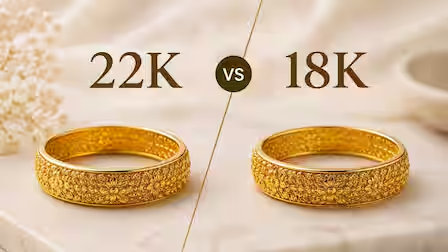
Gold purity is measured in karats, on a 24-point scale where 24 karat (24K) represents essentially pure gold. Jewellery is rarely 24K on its own, since pure gold is too soft for everyday wear — it's typically alloyed with metals like copper, silver, or zinc for durability. 22K gold is about 91-92% pure, while 18K is roughly 75% pure. Most gold loan lenders accept jewellery in the 18-22 karat range, with some extending to 24K specifically for coins and bars.
Why Purity Changes Your Loan Amount
Your gold's market value is calculated as its net weight multiplied by the rate for its specific purity. Higher purity gold is worth more per gram, since it contains a higher proportion of actual gold rather than alloy. Since your eligible loan amount is a percentage (the LTV ratio) of this market value, higher-purity gold of the same weight produces a higher loan amount — not because lenders favor it, but simply because it's worth more.
Side-by-Side: 18K vs 22K vs 24K
For 20 grams of gold, the approximate value and loan amount vary by purity. At 18K, the representative rate is ₹11,749 per gram, giving a value of ₹2,34,980, with an applicable LTV of 85% and an approximate loan amount of ₹1,99,733. For 22K gold, the representative rate is ₹14,360 per gram, giving a value of ₹2,87,200, with an applicable LTV of 80% and an approximate loan amount of ₹2,29,760. For 24K gold, the representative rate is ₹15,666 per gram, giving a value of ₹3,13,320, with an applicable LTV of 80% and an approximate loan amount of ₹2,50,656. These figures use representative rates from early September 2026, so actual loan amounts may vary based on the lender's valuation and applicable terms.
Why Two Pieces of the Same Gross Weight Can Value Differently
It's common for two jewellery pieces that weigh the same on a kitchen scale to produce noticeably different loan valuations. A plain gold bangle at 22K purity with no stones will value close to its full weight. A similarly heavy necklace set with stones, enamel work, or a heavier clasp might have 15-20% of its gross weight deducted before valuation even begins, and if it's also lower purity, say 18K instead of 22K, the per-gram rate applied is lower too. The combined effect of both factors, deducted weight and lower purity, can make two visually similar pieces worth meaningfully different amounts as loan collateral, even though they'd look almost identical sitting side by side.
Does Hallmarking Matter?
BIS hallmarking, India's official gold purity certification, isn't strictly mandatory to get a gold loan, since lenders test purity themselves using acid or XRF methods regardless of hallmark status. That said, hallmarked jewellery can make the process smoother, since the certified purity gives the appraiser a reliable starting point and can sometimes speed up the valuation step. If you're buying new gold with a future loan in mind, choosing hallmarked jewellery is a reasonable habit, even though it's not a hard requirement.
Can You Improve Your Loan Amount Without More Gold?
Not by changing the purity of gold you already own — that's fixed at the time it was made. What you can control is which pieces you choose to pledge. If you have a mix of 18K and 22K jewellery, and you're trying to maximize your loan amount for a given weight limit, pledging the higher-purity pieces will get you further. Removing heavy stone-set pieces in favor of plainer, higher-gold-content jewellery of the same purity also helps, since stones don't add any lending value.
Final Thoughts
Purity and weight together determine your gold's value, and value — filtered through the applicable LTV ratio — determines your loan amount. Knowing roughly where your jewellery sits on the purity scale before you visit a lender gives you a realistic sense of what to expect, rather than assuming all your gold is worth the same per gram regardless of its karat value.